North Dakota Psychology License Requirements
To earn a psychology license in North Dakota, you need a doctoral degree from an APA or CPA-approved program, two years of supervised experience including a predoctoral internship, and passing scores on both the EPPP and a state oral examination. The North Dakota State Board of Psychologist Examiners oversees licensure.
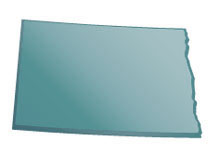
A doctoral degree is required for licensure in North Dakota. The state also requires years of supervised clinical experience and two separate licensing exams before you can practice independently. Requirements are set by the North Dakota State Board of Psychologist Examiners (NDSBPE), which reviews every application and controls access to both the written and oral exams.
The path runs through the NDSBPE, whether you’re finishing a doctoral program locally at the University of North Dakota or relocating from another state.
According to the Bureau of Labor Statistics, clinical and counseling psychologists in North Dakota earn around $100,000+ annually.
Below is a step-by-step guide to what the NDSBPE requires, from your doctoral degree through the final license application.


North Dakota’s Two-Tier Licensure System
North Dakota issues two types of psychology credentials. Understanding the difference matters when you’re planning your training timeline.
Psychological Resident
The Psychological Resident credential is for doctoral-level candidates who are still completing their post-doctoral supervised hours. It lets you practice under the supervision of a licensed psychologist while you work toward full licensure. You hold this status between graduation and earning your full LP license. It’s a formal, board-recognized stage, not a lesser credential.
Licensed Psychologist (LP)
The Licensed Psychologist (LP) credential is the full independent license. With it, you can diagnose mental and emotional conditions, provide therapy, conduct assessments, and supervise others. The title “psychologist” is legally protected in North Dakota. You can’t use it until the board issues your LP. If you’re weighing the LP path against other mental health credentials, our guide on how a psychologist’s license compares to an LCSW breaks down the key differences.
Educational Requirements
North Dakota requires a doctoral degree in psychology from a program accredited by the American Psychological Association (APA) or the Canadian Psychological Association (CPA). The board accepts two degree types: a Doctor of Philosophy (PhD) in Psychology or a Doctor of Psychology (PsyD). Both satisfy the educational requirement for licensure. To compare how these programs are structured, see our guide to PhD and PsyD programs in psychology.
A PhD program is research-oriented, typically involves a dissertation, and usually takes five to seven years to complete. A PsyD is designed for clinical practice, generally runs four to five years, and places less emphasis on original research. If you’re drawn to direct client work rather than academic research, a PsyD may be a better fit. The board doesn’t favor one over the other.
Most doctoral programs expect applicants to hold an undergraduate degree, though a bachelor’s in psychology isn’t required. Some students enter from adjacent fields but may need to complete prerequisite coursework before starting a doctoral program.
Supervised Experience Requirements
North Dakota requires two years of supervised experience, typically including a one-year APA-accredited predoctoral internship (about 1,500 hours) and one year of postdoctoral supervised experience (about 1,500 hours), as defined by the board.
The internship must be APA-accredited or otherwise approved by the board. The postdoctoral year is completed after you graduate, while you hold Psychological Resident status. Your supervising psychologist must have at least three years of licensed experience and meet continuing education requirements for supervisors.
Contact the NDSBPE directly to confirm current hour requirements before finalizing your supervision arrangement. Regulations can change, and the board is the authoritative source for current standards. You can reach them through the NDSBPE website.
Examination Requirements
To earn your LP license, you must pass two examinations.
The first is the Examination for Professional Practice in Psychology (EPPP), a national exam administered by the Association of State and Provincial Psychology Boards (ASPPB). North Dakota uses a passing standard set by the board (historically a scaled score of 500 on the EPPP). The EPPP exam fee is set by the ASPPB. Confirm current pricing directly with the ASPPB before registering. Once the board approves your application, you’ll receive authorization to schedule through the ASPPB’s testing network.
The second is the North Dakota State Oral Examination, which covers ethical and legal issues specific to psychology practice in the state. You take it after beginning a supervised postdoctoral experience as a Psychological Resident. The board sets the performance standard and requires a majority vote to issue a license.
Application Process and Fees
The NDSBPE uses a two-step application process. You start by submitting the Application Initiation Form along with a $450 fee paid to the board. After the board reviews your initial materials, you’ll complete the Psychology Licensure Universal System (PLUS) online application, which carries a $200 fee paid to the ASPPB. The PLUS portal is used across multiple jurisdictions to standardize and track licensure information, which can simplify future applications if you ever move to another state.
Your application will require official transcripts sent directly from your institution, completed verification forms from your supervisors documenting your hours, and a curriculum vitae. The NDSBPE encourages applicants to file as early as possible. Processing takes time, and you cannot practice in North Dakota until your supervision arrangement is on file with the board.
Reciprocity for Out-of-State Psychologists
If you already hold a psychology license in another jurisdiction, North Dakota offers a streamlined path. To qualify, your state’s licensing standards must be comparable to North Dakota’s. A Certificate of Professional Qualification (CPQ) issued by the ASPPB is accepted as evidence that you meet North Dakota’s requirements.
Reciprocal applicants still must pass the state oral examination. You can also apply for a limited practice letter that may allow short-term, limited practice while your application is pending (confirm current limits with the board). The fee for a limited practice letter is $25.
Frequently Asked Questions
Does North Dakota accept a PsyD for psychology licensure?
Yes. The NDSBPE accepts both a PhD and a PsyD in psychology, as long as the program is accredited by the APA or the CPA. The degree type doesn’t affect your eligibility for the LP license.
What is the passing score for the EPPP in North Dakota?
North Dakota uses a passing standard set by the board, historically a scaled score of 500 on the EPPP. Confirm the current standard with the NDSBPE or ASPPB before you register for the exam.
Can I practice psychology in North Dakota before receiving my LP license?
You can work as a Psychological Resident while completing your postdoctoral supervised hours, but only under the supervision of a licensed psychologist. You can’t practice independently or use the title “psychologist” until the board issues your LP credential.
How long does the North Dakota psychology licensure process take?
The timeline varies depending on when you complete your supervised hours, how quickly you apply, and how long processing takes. Plan for several months after your doctoral graduation and postdoctoral work before the board issues your license. Filing a complete application early reduces delays.
What are the main fees for North Dakota psychology licensure?
The primary fees include $450 for the Application Initiation Form (paid to the NDSBPE) and $200 for the PLUS online application (paid to the ASPPB). The EPPP exam fee is set by the ASPPB. Confirm current pricing before registering. Additional fees may apply at the testing site.
Key Takeaways
- Doctoral degree required – North Dakota requires a PhD or PsyD from an APA or CPA-accredited program. There’s no path to an LP license without a doctorate.
- Two years of supervised experience – About 1,500 hours of APA-accredited predoctoral internship and about 1,500 hours of postdoctoral supervised experience are required before you can apply for full licensure.
- Two exams to pass – The EPPP and the North Dakota State Oral Examination, covering state ethics and law, are both required. North Dakota uses a passing standard set by the board, historically a scaled score of 500 on the EPPP.
- Two-step application with fees – Budget for $450 to the NDSBPE and $200 to the ASPPB for the PLUS application, plus EPPP exam fees. Confirm current exam pricing with the ASPPB.
- Reciprocity is available – Licensed psychologists from comparable jurisdictions can apply for a streamlined path, though the oral exam is still required.
To explore doctoral programs in psychology and learn more about education requirements by state, browse our psychology degree and licensing resources.
2024 US Bureau of Labor Statistics salary figures for clinical and counseling psychologists reflect state and national data, not school-specific information. Conditions in your area may vary. Data accessed April 2026.